
Some films you watch. Some films watch you. And then there are films that sit quietly in your chest long after the credits roll, refusing to leave like a song you heard as a child that you can’t name but can always hum.
Aakasam Lo Oka Tara is that film.
I haven’t written about cinema in a very long time. Not because I stopped watching, but because nothing compelled me to. Nothing made me close my laptop, stare at the ceiling, and think I need to tell someone about this. This film did. And here I am, after what feels like forever, writing about a movie again. That alone should tell you something.
The Performances — A Study in Restraint and Revelation
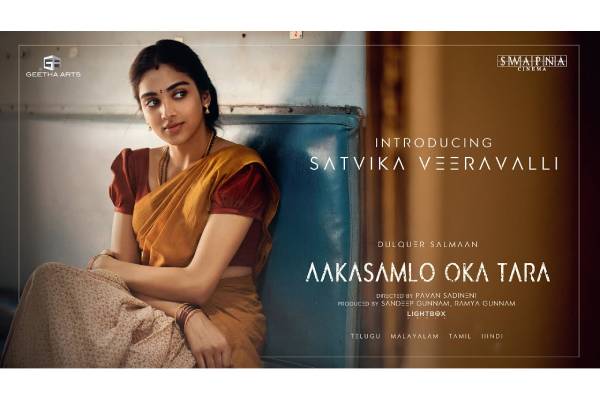
Let me start where every honest conversation about this film must start — Satvika Veeravalli.
I don’t know how to say this without sounding like I’m exaggerating, so I’ll just say it plainly: this is one of the most remarkable debut performances I have ever seen in Indian cinema. Not just Telugu cinema. Cinema. Period.
The innocence. The body language. The way she holds silence like it’s dialogue. There’s a maturity in her work here that veteran actors spend entire careers chasing and never quite finding. Roger Ebert once wrote about Saoirse Ronan in Atonement — that some actors arrive fully formed, as if they’ve been acting in some other life. Satvika is that kind of arrival. Aakasam Lo Oka Tara is built on her shoulders, and she doesn’t just carry it she makes it float. Remove her from this film, and there is no film. She is the star in that sky.
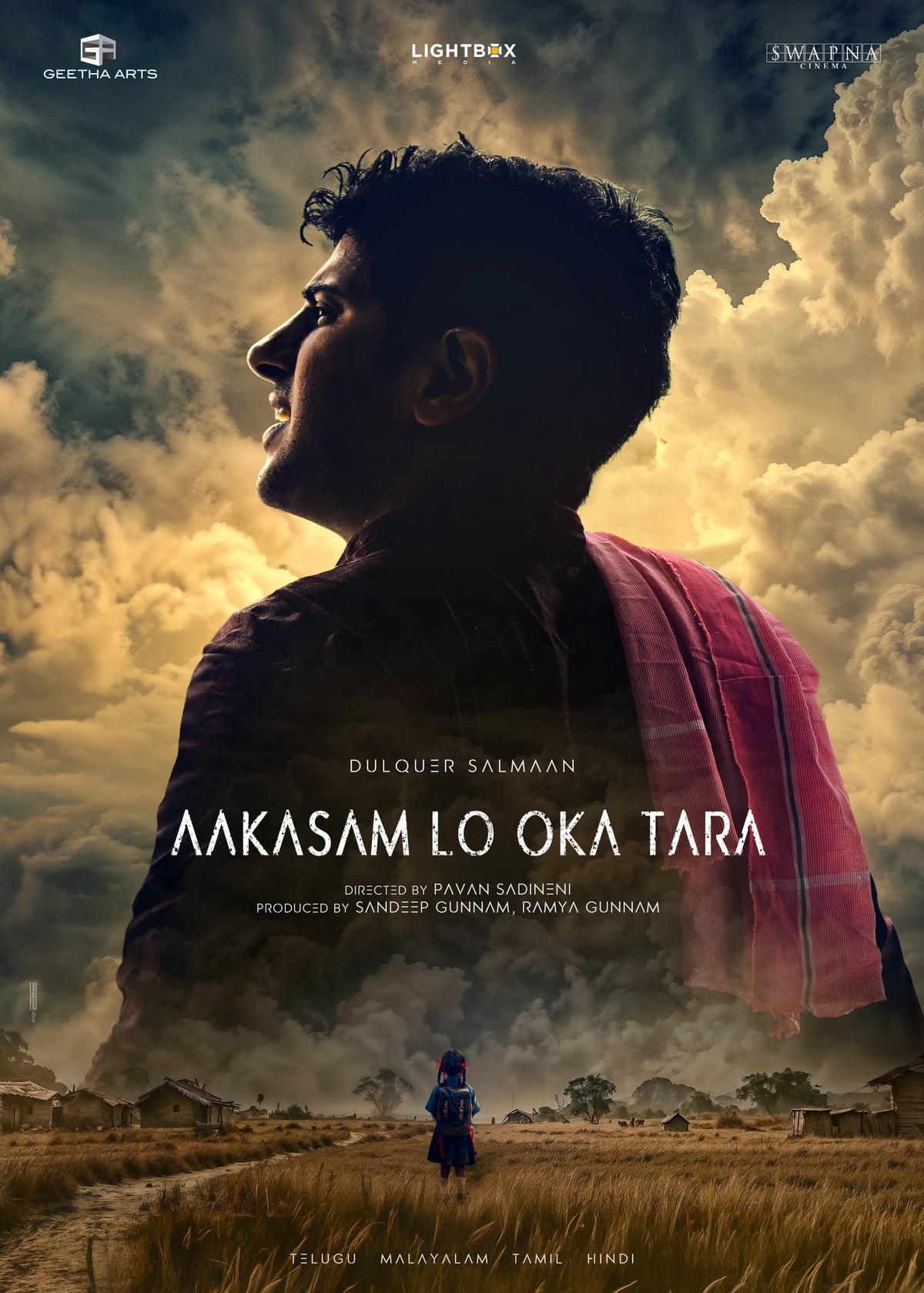
Dulquer Salmaan — who else? Who else could walk into a Telugu film with this kind of emotional architecture and make it feel effortless? There’s a reason he keeps getting cast across languages: the man doesn’t perform, he inhabits. He brings the same understated gravitas, that quiet, burning conviction of a man who believes in something bigger than his circumstances. Dulquer doesn’t fight for the screen. He earns it. Every single frame.
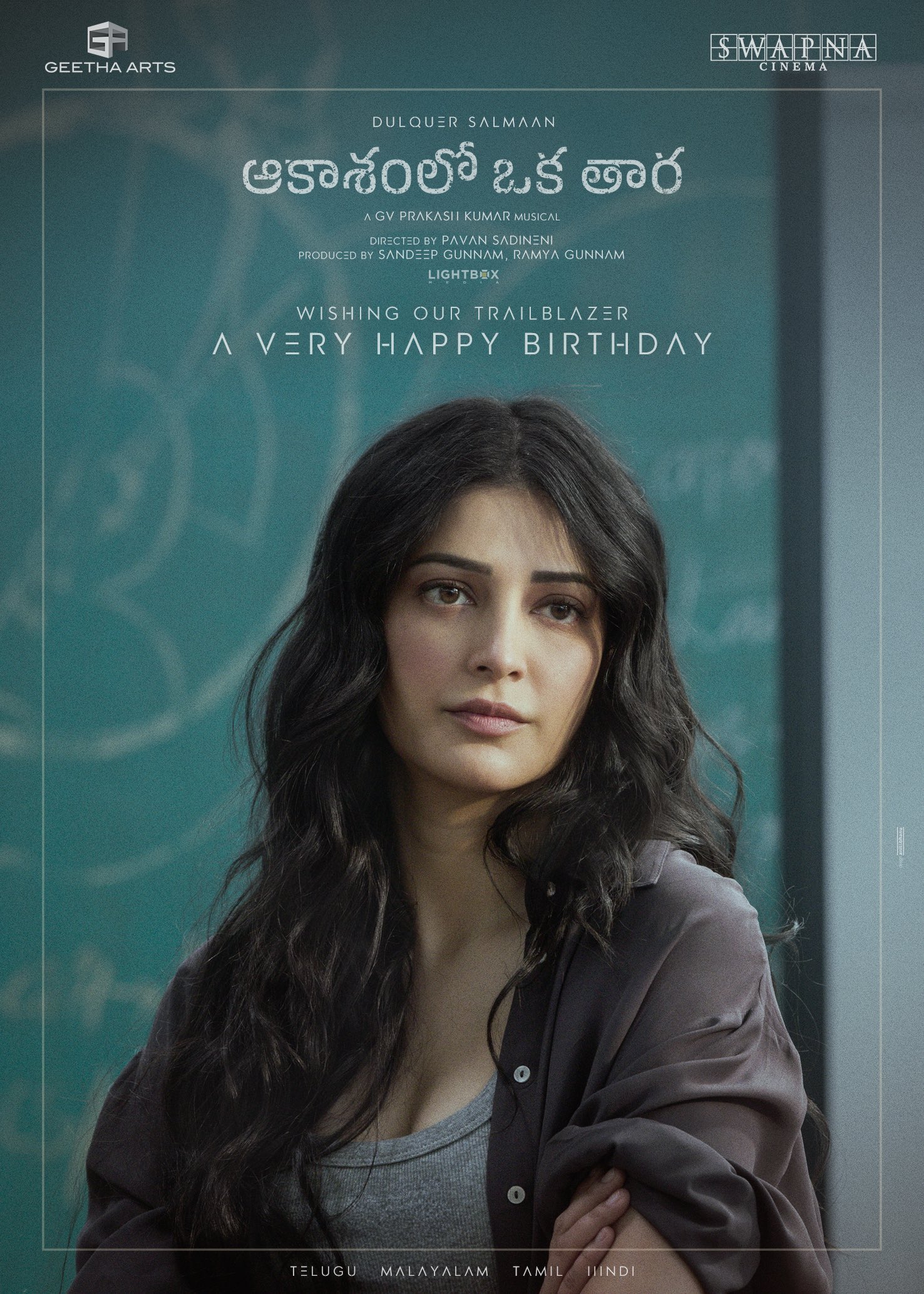
And then there’s Shruti Haasan. What a character. What a characterisation. This isn’t a role written to fill space it’s a role written with purpose, and Shruti meets it with precision. She was not showy, not loud, but so perfectly placed in the emotional machinery of the story that you can’t imagine anyone else there.
The Craft — Where Art Meets Ache
Here’s where I need you to lean in.
The cinematography in this film is not just good. It’s personal, where every frame wasn’t just visually stunning but emotionally engineered, where the camera wasn’t just showing you space but making you feel the void? That’s what happens here. The visuals in Aakasam Lo Oka Tara feel close to your heart not distant, not showy — close. Like someone filmed your own memories and put them on screen. And then, every few minutes, there’s a frame so breathtakingly beautiful that you forget to blink. You just sit there, pinned to your seat, watching light and colour do things that words cannot describe.
The music and background score by GV Prakash Kumar hats off, genuinely. This isn’t a soundtrack that sits on top of the film. It’s woven into the script like thread into fabric. You can’t separate the music from the moment. It doesn’t tell you what to feel it feels with you. The BGM doesn’t announce emotion; it breathes alongside it. It’s the kind of score that, days later, plays in your head and brings back not just the scene, but the feeling of the scene.
The Writing — Where This Film Becomes Immortal
And now, the director and the writer.Pavan Sadineni and Gangaraju Gunnam – The true heroes of this film.
The conviction. My God, the conviction.
Every scene, every single scene feels natural. Not manufactured. Not “written.” Lived. There’s a dedication to detail here that reminds me of what Joe Johnston did with October Sky — where even the smallest moment, a glance across a dinner table, a pause before a sentence, carries the full weight of a life being lived. Nothing is wasted. Nothing is filler. Every frame is motivated. Every silence is intentional.
And the dialogues. Please when you watch this film — listen. Don’t just hear. Listen.
The dialogues are subtle. They don’t scream at you. They don’t try to become Instagram captions like the way recent movies have become. They land softly, almost gently, and then they stay. They stick somewhere deep in a place you didn’t know was still soft. Lines about dreams that don’t preach. Lines about love that don’t perform. Lines about responsibility, ambition, and attitude that feel like they were written not by a screenwriter, but by someone who has lived all of it and simply decided to share.
This is writing at its finest the kind where you leave the theatre carrying sentences in your chest like stones in your pocket. Warm ones.
The Verdict — A Film That Follows You Home
Here’s what I keep coming back to.
There are films you enjoy and forget by dinner. There are films you admire and revisit once a year. And then rarely, so rarely there’s a film that follows you home. That sits in the passenger seat on the drive back. That’s still there when you’re brushing your teeth. That wakes up with you the next morning and says, Think about me again.
Aakasam Lo Oka Tara is that film.
It’s the kind of movie where, the moment the credits roll, your first instinct isn’t to check your phone it’s to press play again. And the miraculous thing? It would be just as beautiful the second time. Maybe more. Because now you know what to look for. Now you know where the silences hide their meaning. Now you know which frame is going to break your heart before it arrives.
This film masters every dimension it touches dreams, love, sacrifice, ambition, the quiet weight of responsibility, the stubborn dignity of attitude. It doesn’t try to be everything. It simply is everything, because it commits fully to being exactly what it is.
Final Thought
I came back to writing because of this film. That’s not a small thing. In a world drowning in content, in a year overflowing with releases, Aakasam Lo Oka Tara made me stop, sit down, and remember why I fell in love with cinema in the first place.
If you haven’t watched it yet go. Clear your evening. Turn off your phone. Give it your full attention.
And if you have watched it you already know exactly what I’m talking about.
A star in the sky. And now, a star in the heart.
PS: Thanks to Claude Opus for translating my post-movie brain mush into actual English apparently AI understands my feelings better than I do.
★★★★★


 ramcsays

